Smart Appliances Are Getting Smarter With AI and Sensors
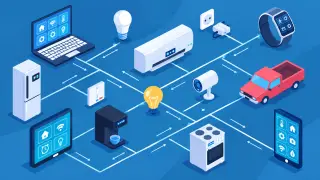
Smart appliances are moving beyond smartphone controls toward systems that use AI, sensors, and automation. Newer models can monitor conditions such as temperature, weight, humidity, and energy use, then adjust their operation. The article also points to predictive maintenance and edge AI as ways to improve efficiency and reliability.
The article describes a shift from appliances controlled by phones to devices that use sensors and AI to interpret conditions and act. It names temperature, humidity, weight, motion, water presence, energy consumption, and operating status as possible inputs.
It also highlights predictive maintenance and edge AI as future directions, alongside coordination among connected appliances to manage energy and cut waste. Examples include washers that judge load size and fabric, and refrigerators that track temperature shifts and frequently used items.
Consumers could gain convenience and possibly lower energy waste, while manufacturers may need to prove reliability and data handling. Households facing high energy costs or sustainability concerns may find automation appealing, though affordability and access could limit who benefits. If connected appliances coordinate usage, they might ease household resource management, but trust, security, and interoperability may shape adoption.