Ukraine Accuses South Korea of Fueling Russia; Seoul Rejects Sanctions-Breach Claim
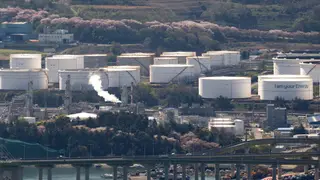
Ukraine's top sanctions official accused South Korea of helping Russia overcome a fuel shortage by allowing Russian tankers to load more than 176,000 tons of petroleum products, mostly diesel, at South Korean ports in July and August. Seoul rejected the accusation, saying its customs data show no fuel exports to Russia and that the cargoes' parties, origin and final buyers have not been established. A shipping analysis found seven Russian tankers made 14 voyages and that South Korea supplied about 31 percent of Russia's seaborne petroleum imports in August.
Kyiv’s sanctions commissioner, Vladyslav Vlasiuk, said the shipments coincided with Russian fuel shortages and contrasted with Seoul’s post-invasion sanctions stance. Seoul’s presidential spokeswoman, Kang Yu-jung, called the claim untrue, saying the cargo parties, origin and end buyers remain unverified.
South Korea’s Foreign Ministry said customs checks have not confirmed any commercial petroleum-product exports to Russia, and official trade figures show no diesel, gasoline or jet-fuel cargoes there from August 2025 through August 2026. It noted that commercial fuels fall outside its controlled-export list for Russia, meaning a Korean port call by itself would not prove a breach.
The dispute could increase scrutiny of South Korean ports, shippers, insurers and energy traders, potentially raising compliance costs and reputational risks for firms. It may also complicate Seoul’s diplomacy with Kyiv and its allies, while feeding broader debates over sanctions enforcement. Russian consumers could remain affected by fuel shortages, and international diesel markets may feel indirect pressure if cargo routing or oversight changes.