Artemis II report details meteoroid flashes witnessed beyond the Moon’s far side
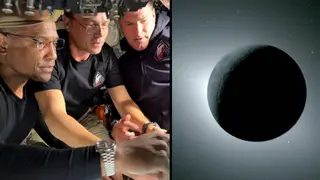
NASA published a preliminary lunar science report from Artemis II containing hundreds of gigabytes of observations, nearly 1,000 images, and crew audio. During the April flyby, astronauts saw five brief flashes on the Moon's far side caused by meteoroids hitting the surface at high speed. The crew's recorded reactions showed the event was especially striking, echoing similar observations made by Apollo astronauts.
NASA’s early science summary from Artemis II includes 814 GB of observations, almost 1,000 images, and 521 minutes of crew audio. The April mission carried Reid Wiseman, Victor Glover, Christina Koch, and Jeremy Hansen around the Moon, the first crewed lunar flyby since Apollo 17.
On April 6, Orion passed about 4,067 miles above the far side during a planned communications blackout. With the Moon blocking the Sun and the surface dark for nearly an hour, the crew saw five meteoroid impact flashes. Investigators ruled out cosmic rays, spacecraft reflections, and thruster particles; Apollo crews had reported similar flashes.
This release may deepen public engagement with lunar science and spaceflight, especially among students, educators, and amateur astronomers who follow NASA data. The crew audio and images could make planetary hazards more tangible, potentially shaping how future missions plan observation and safety. It may also support researchers studying impact rates, though the immediate societal effect is likely cultural and educational rather than direct.