B-1 withdrawal from UK base raises questions about strike reach, airbase protection
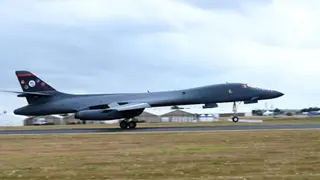
The US military pulled a dozen B-1 Lancer bombers out of RAF Fairford in England after what President Donald Trump described as an Iranian threat, with reports saying a possible localized drone attack prompted the move. Analysts told Breaking Defense that the immediate effect may be small because few missions are currently being flown against Iran, but any renewed offensive would face reduced sustained strike capacity and longer transits. They added that the episode highlights the vulnerability of key bases and the need for stronger airfield defenses.
The dozen B-1s left RAF Fairford after Trump tied their departure to an Iranian threat. A report said a possible small drone strike, similar to a Ukrainian tactic that damaged Russian strategic aircraft on the ground, may have prompted the move. Fairford had hosted bombers since Operation Epic Fury began in February, cutting the flight to Iran to about 3,000 miles.
Analysts said current strike tempo may barely change because few Iran-related missions are underway. But returning the aircraft to US bases would allow deeper maintenance while shrinking sustained firepower for any larger campaign. Longer trips would need more tankers and could lower sortie rates, while alternative European launch sites remain politically constrained.
The withdrawal could affect communities around RAF Fairford, where fewer bomber operations may reduce local activity and spending. Military personnel and their families may face longer transits, more tanker demands, and shifting deployment schedules. In the wider public, the episode may intensify debates in the UK and Europe about hosting US strike missions and about whether air