Serbian Men Describe Sexual Violence and Why They Stay Silent
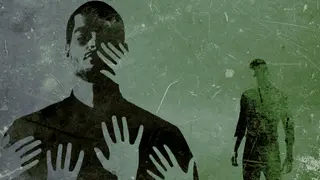
Eleven men in Serbia shared experiences of rape, sexual coercion, and harassment, including within relationships and at work or in public. None reported what happened, citing shame, difficulty naming the experience, or fear of ridicule, pity, or disbelief. A sociologist noted that patriarchal expectations of men as always wanting sex make a man's refusal seem abnormal.
Eleven men in Serbia described being raped, pressured into sex by partners, and harassed in workplaces or public settings. Not one reported it. Most spoke to almost no one, pointing to shame, uncertainty about how to name the experience, and worries about mockery, sympathy, or being disbelieved.
A sociologist cited in the account ties this reluctance to patriarchal beliefs that men constantly desire sex and should take the lead. Such expectations can make a man’s refusal look like evidence that something is wrong with him, pushing him to consent in order to prove his masculinity.
This story may encourage other men to recognize coercion and seek support, while challenging assumptions that men cannot be victims. It could also influence how friends, employers, and institutions interpret male refusal and silence, though stigma may persist. Survivors, their relationships, and workplace or public spaces could be affected as conversations shift, but change may be gradual and uneven.