Pakistan Joins Air Campaign Against Yemen's Houthis While Turkey Stays Defensive
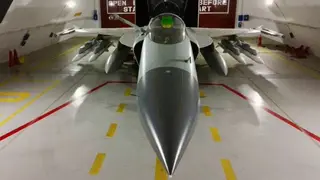
A senior Pakistani military official told The New York Times that Pakistani fighter jets have started hitting Houthi targets in Yemen, with a focus on missile and drone threats rather than ground operations. The move follows activation of the Makkah Joint Defense Agreement by Saudi Arabia, Pakistan, and Turkey after Houthi attacks on Saudi territory. Turkey has limited its support to defensive and technical aid and says it will not send troops into Yemen, as its parliament has not yet ratified the pact.
Pakistan’s reported air role follows activation of the Makkah Joint Defense Agreement by Saudi Arabia, Pakistan, and Turkey after Houthi strikes on Saudi territory. A Pakistani military spokesman said forces were operating in Saudi Arabia across several capacities and domains. Reuters earlier reported roughly 8,000 Pakistani troops, a fighter squadron, two drone squadrons, and an HQ-9 air defense system there.
Turkey, by contrast, has offered defensive and technical help, including air defense, logistics, drone operators, and intelligence support. Ankara says parliamentary ratification is still pending and has ruled out sending troops to attack Yemen, describing the pact as defensive.
The expanded air campaign could deepen risks for civilians in Yemen and for Saudi border communities, while drawing Pakistani and Turkish publics into debates over military involvement. If Houthi missile and drone attacks continue, shipping near Bab el-Mandeb may face further disruption, raising costs for traders and consumers. Turkey’s limited role may reduce its exposure, but the pact’s differing interpretations could still strain alliance politics and regional stability.