Iran Warns of Pre-Emptive Action as Strait of Hormuz Restrictions Continue
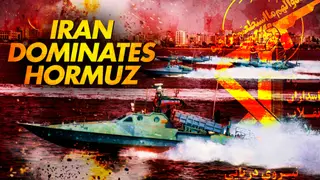
An Iranian army spokesman said Tehran's forces could carry out pre-emptive operations if needed to stop aggression, while IRGC advisers claimed full control over the Strait of Hormuz. Iranian officials said the waterway remains closed under current conditions and that unauthorized routes near Oman will soon be blocked. Shipping traffic has fallen sharply, with about 10 vessels a day transiting compared with roughly 125 before the war, and attacks on tankers recently reached their highest weekly level since the conflict began.
Tehran’s regular army spokesman said forces might strike first if necessary to deter aggression or intrusion. A senior IRGC adviser asserted the strait is under Iranian control and restrictions will last until Tehran’s demands are satisfied. Another adviser said daily transits have fallen to roughly ten from about 125 before the war began February 28, with most ships using Iranian-approved lanes.
Recent weeks saw the conflict’s highest weekly count of tanker attacks or harassment. On October 6, a projectile hit the Panama-flagged On Peace off Oman, injuring 12 of 19 crew, including 11 Indians evacuated to Khasab. Two days earlier, the Liberian-flagged Lipsi was disabled by engine-room damage; its crew was safe and no pollution was reported.
The continued restrictions and attacks could affect merchant crews, port communities, and consumers dependent on Gulf energy and freight. Reduced transits may raise shipping and insurance costs, potentially feeding into fuel and goods prices. Regional societies may face greater uncertainty, while diplomatic and military tensions could further disrupt livelihoods tied to maritime trade.