Trump Administration Weakens Habitat Protections Under Endangered Species Act
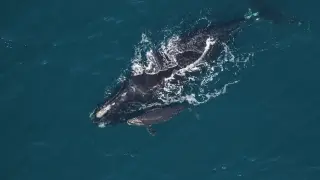
The Trump administration has changed how the Endangered Species Act is enforced, removing federal penalties for destroying habitat used by listed species and narrowing the definition of "take" to intentional killing. The article says these changes threaten hundreds of imperiled species and have prompted lawsuits from nearly two dozen attorneys general. Climate change compounds the risks as species struggle with warming temperatures and shifting ecosystems.
The Endangered Species Act, described by the Supreme Court as the most comprehensive preservation law of its kind, has helped prevent extinction for almost 300 U.S. species, including bald eagles, American alligators, and grizzly bears. The U.S. Fish and Wildlife Service evaluates and lists species as endangered or threatened, and projects that might harm listed species or habitat generally require consultation or permits.
For decades, the law’s terms “take” and “harm” underpinned protections, making habitat degradation potentially punishable. Last month, the Trump administration removed federal penalties for destroying habitat used by listed species and narrowed “take” to intentional killing. Roughly 20 state attorneys general have filed lawsuits, while climate change adds pressure.
The changes may affect developers and landowners by reducing habitat-related legal exposure, while conservation groups and wildlife advocates could face greater burdens using litigation and permitting to protect species. Communities that depend on healthy ecosystems, and the species themselves, may bear long-term ecological and economic costs if habitat loss accelerates. Legal challenges from state officials could create uncertainty for projects and regulators, with courts potentially shaping how broadly the revised rules apply.