Boulder Police to Use AI Assistant for Non-Emergency Calls
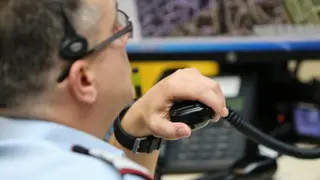
Boulder police plan to have an AI system handle non-emergency calls starting later in October after testing. The assistant, called ANET, will converse in English and Spanish and route reports on issues such as abandoned vehicles, noise, parking and minor crashes. Emergency 911 calls will still be answered by human dispatchers.
Need factual detail from material. Boulder Police non-emergency line AI starts end of Oct after phased testing. ANET = Automated Non-Emergency Triage. Axon assistant. Handles categories: abandoned vehicles, no-injury crashes, animal complaints no public safety threat, cold cases no suspect, extra patrol, fireworks, found/lost property, noise, parking, traffic complaints. English/Spanish, natural language. 911 remains human. Callers can request human transfer. Calls recorded/public accessible same as before; Axon won't use non-emergency call data to train AI per Waugh. About 70% calls non-emergency. Chief Redfearn says frees dispatchers for serious threats. Demo voice "Ashley". Complaint feedback via 303-441-3333 and ask transfer. Need under 120 total. Two short paragraphs. Could be 2 paragraphs ~55 each.
Let's write:
EXPANDED:
Boulder's non-emergency line will switch to an Axon-built assistant, ANET, after phased testing concludes later this month. The system is designed to gather caller information in English or Spanish using conversational speech. It will cover reports such as abandoned vehicles, no-injury crashes, animal complaints without public-safety threats, cold cases without a suspect present, extra patrol requests, fireworks, found or lost property, noise, parking and traffic complaints.
Emergency 911 calls will continue to reach human dispatchers. Callers who prefer a person can ask to be transferred, including those giving feedback or complaints through 303-441
Residents reporting minor problems could see faster routing, while dispatchers may gain time for emergencies. Spanish-speaking callers may benefit from bilingual service, though people uncomfortable with automation might need to request a person. Because 911 remains human-answered, urgent calls should be unaffected. Public trust may depend on clear transfers, accessible recordings and assurances that call data is not used for training. The change could reshape expectations for local government services, balancing efficiency with the desire for human contact. Count: Residents1 reporting2 minor3 problems4 could5 see6 faster7 routing8, while9 dispatchers10 may11 gain12 time13 for14 emergencies15. Spanish-speaking16 callers17 may18 benefit19 from20 bilingual21 service22, though23 people24 uncomfortable25 with26 automation27 might28 need29 to30 request31 a32 person33. Because34 91135 remains36 human-answered37, urgent38 calls39 should40 be41 unaffected42. Public43 trust44 may45 depend46 on