Andrew Mountbatten-Windsor's Search Warrant Victory Unlikely to Restore Reputation
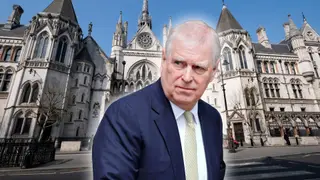
Andrew Mountbatten-Windsor secured a High Court outcome in which Thames Valley Police accepted that search warrants used to raid his homes were unlawful. The result came from an agreement between Andrew and the police rather than a judge's ruling, and a later hearing will decide whether the police may keep the evidence. A royal expert said the technical win is unlikely to improve Andrew's standing with the public.
Andrew Mountbatten-Windsor obtained a High Court result after Thames Valley Police conceded that warrants used to search his residences lacked legality. The outcome stemmed from an accord between him and the force, not a judicial decision. A future hearing will address whether officers may hold onto seized material.
The episode sits within a broader fall from royal life: he has surrendered titles and his preferred residence, and was arrested in February on his 66th birthday over suspected misconduct in public office. Reports also described a quieter social scene among Norfolk’s upper circles. A royal commentator, Jack Malvern, judged the procedural success unlikely to shift public opinion.
The outcome may shape how observers view police handling of high-profile investigations, potentially reinforcing concerns about procedural errors in searches. For Andrew, it could offer a narrow legal reprieve, but public opinion may remain largely unmoved. Royal watchers and media audiences could continue debating accountability, privilege, and the monarchy’s reputation, while any later evidence ruling may affect how much closure the case brings.