Monterey Bay program pairs climate resilience projects with workforce training
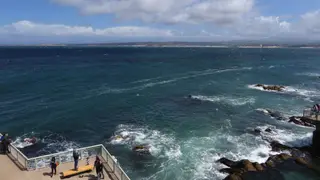
A coalition in California’s Monterey Bay region is spending tens of millions on wetland restoration, wildfire fuel reduction, and other land management to improve climate resilience. To staff these efforts, it is partnering with local colleges and a nonprofit to train students in chainsaw use, drone piloting, coastal monitoring, and field research. The goal is to create a local pipeline of skilled workers who can help the region adapt now and in the future.
A Monterey Bay coalition is directing significant funding toward restoring wetlands, reducing wildfire fuels, and managing land to strengthen climate resilience. The work depends on local labor, according to the California Marine Sanctuary Foundation, a coalition participant.
To build that labor pool, the coalition is working with area colleges and an education nonprofit. Hartnell College in Salinas offers trade instruction such as chainsaw operation for forestry and habitat restoration. UC Santa Cruz students learn drone piloting for coastal monitoring, including sand erosion study, while Cal State Monterey Bay graduate students support field research.
This effort could affect Monterey Bay residents, students, and workers by linking climate adaptation projects with local training. Participants may gain skills for forestry, restoration, coastal monitoring, and research, potentially improving job prospects. The region may benefit from a more prepared workforce and healthier ecosystems, though outcomes depend on funding, program completion, and whether trained workers find sustained employment.