Horror Cinema's Defining Films, Decade by Decade
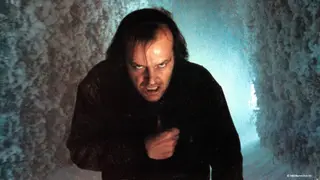
This feature examines horror cinema by choosing a defining movie from each decade. It traces the genre back to Georges Méliès's 1896 short Le Manoir du diable, often cited as the first horror film. The article then follows how horror evolved through influential classics and filmmakers over time.
Georges Méliès’s 1896 three-minute Le Manoir du diable is often treated as horror’s starting point. In it, a bat becomes the Devil, who summons ghosts, witches, a skeleton, and other supernatural figures to frighten castle visitors. Its stop-trick and jump-cut effects struck early viewers as both eerie and inventive.
F.W. Murnau’s 1922 Nosferatu adapted Bram Stoker’s Dracula without credit. Max Schreck’s Count Orlok mixed human and ratlike traits, shaping later vampire portrayals. James Whale’s 1931 Frankenstein, starring Boris Karloff, altered Mary Shelley’s Creature characterization.
This retrospective could shape how casual readers and film fans understand horror’s lineage, perhaps encouraging them to seek out silent-era and classic titles. By framing Méliès, Murnau, and Whale as foundational, it may reinforce canon while overlooking lesser-known or non-Western works. Streaming services, repertory cinemas, and educators might see renewed interest in these films, though the list’s single-pick format may simplify a diverse genre.