Zambia's Regional Ties Shaped by Eight Borders and Copper Routes
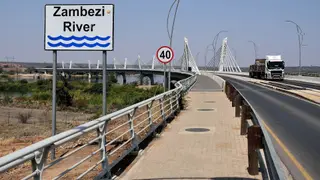
Zambia is a landlocked copper producer bordered by eight countries, and its exports depend heavily on neighbors' roads, railways, and ports. As of October 2026, President Hakainde Hichilema has been re-elected and SADC elected him as incoming chair. The Lobito rail link remains unfinished, while road transport carried most export value in early 2026.
Zambia has no sea coast, so its copper must pass through neighboring states to reach ports. The 2022 census counted 19,693,423 people. Its eight borders run with DR Congo, Tanzania, Malawi, Mozambique, Zimbabwe, Botswana, Namibia and Angola. The 16-member SADC groups these regional ties.
Shared infrastructure reinforces those links. Zambia and Tanzania jointly own the TAZARA railway and TAZAMA pipeline. Zambia and Zimbabwe operate the Kariba Dam. The KAZA conservation area covers Angola, Botswana, Namibia, Zambia and Zimbabwe. In early 2026, roads moved 95.8% of export value from January to July, while the 550 km Lobito rail link still had no announced completion date.
Zambia’s reliance on neighbors’ roads, rails and ports may keep trade costs sensitive to regional stability and infrastructure delays. Copper miners, transport workers, traders and households could feel the effects through jobs, public revenue and prices. Because most export value moved by road in the first seven months of 2026, bottlenecks or border closures could slow earnings. Hichilema’s re-election and SADC chair role may give Zambia more room to press for corridor improvements, though benefits would depend on delivery and cooperation.