Podcast: Shared Threat Intelligence Can Strengthen Healthcare Cyber Defenses
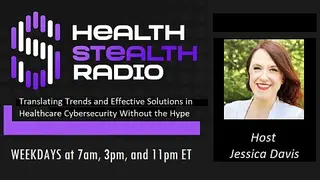
This podcast episode examines how limited budgets and outdated technology leave healthcare organizations exposed to cyber threats. The guest, Health-ISAC's chief security officer, argues that smaller and mid-sized providers can improve defenses by adopting basic security practices and sharing threat intelligence with peers. It also stresses supply chain security for larger entities and faster detection and response to incidents.
In this episode of Health Stealth Radio, host Jessica Davis talks with Errol Weiss, Health-ISAC's chief security officer, about how healthcare's cyber difficulties stem largely from constrained budgets, staffing gaps, and aging systems. Weiss highlights that smaller and mid-sized providers can make meaningful gains through fundamental security practices, while larger organizations should prioritize supply chain risks.
The conversation also emphasizes peer information sharing, industry meetings, and freely available tools and templates. It notes that AI is adding new pressures, yet ransomware continues to pose a lasting threat. The recommended emphasis is faster identification and fixes, with lessons from similar organizations helping defenders improve resilience and protect patient safety.
This discussion may encourage smaller clinics and mid-sized hospitals to adopt basic safeguards and share threat data, potentially reducing disruption to care. Patients could benefit if faster detection limits ransomware outages and protects sensitive records. Larger suppliers may face greater scrutiny of supply chain security. However, impact depends on whether under-resourced providers can act on guidance and sustain collaboration.