Desert counter-drone trials offer lessons for CENTCOM, officials say
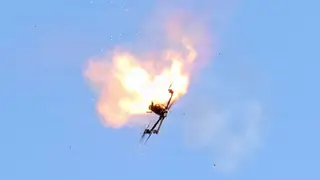
U.S. military officials used the Falcon Peak exercise at Yuma Proving Ground to evaluate counter-drone systems in conditions meant to resemble CENTCOM’s operating environment. Heat, dust, wind, and glare exposed practical problems, including dirty solar panels and screens that were hard to read in bright sunlight. Officials said operator feedback will help industry ruggedize and improve counter-UAS equipment before it is sent to forward units.
Falcon Peak 26.2, run by U.S. Northern Command at Yuma Proving Ground, tested counter-drone gear in desert conditions. JIATF 401’s Marine Col. Scott Humr said dust, heat, wind and glare revealed sustainment issues, such as frequent solar-panel cleaning and hard-to-read screens. Operators’ input is meant to help manufacturers ruggedize systems before deployment.
Industry participants also described wind as a major challenge. Allen Control Systems’ Mike Wior noted sudden gusts and crosswinds affecting interceptors, while Perseus’s Joe Cornelius said Yuma’s winds were roughly double what his firm had tested in Texas. JIATF-401 leaders planned to share overlapping-defense findings with CENTCOM, where Iranian Shaheed drones remain a concern.
These trials may affect troops deployed to harsh environments, whose safety could improve if counter-drone gear becomes more durable and usable. Defense contractors may gain clearer design requirements, potentially speeding fixes. Taxpayers and allied forces could also feel indirect effects if better testing reduces equipment failures or costly setbacks. The lessons remain developmental, so broader operational impact is uncertain.