9/11 Tribunal Rulings Expose Cost of Torture-Linked Prosecution
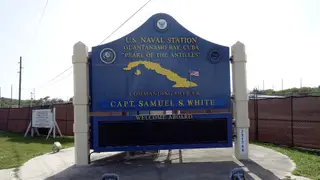
A military judge recently ruled that confessions from three alleged 9/11 co-conspirators cannot be used, following an earlier decision to exclude a fourth defendant’s confession. The article argues these rulings have gutted the prosecution’s evidence and stem from the U.S. government’s post-9/11 torture program and related secrecy fights. It concludes that the case shows the government benefits when it follows the law rather than seeking shortcuts.
Judge Schrama barred admissions from Khalid Sheikh Mohammad, Mustafa al-Hawsawi, and Walid bin Attash during a six-week span around the attack’s 25th anniversary. In April 2025, Judge McCall had excluded Ammar al-Baluchi’s admissions. With a June 5, 2028 trial date, prosecutors must proceed without evidence they long fought to keep.
The accused have spent 23 years in U.S. custody without trial or conviction; the tribunal has run 15 years. After 9/11, a classified Bush memo authorized a covert CIA capture-and-detention program. From 2002 to 2008, at least 119 people were abducted and 39 tortured, including the alleged co-conspirators. Revelations and diplomatic backlash ended the program by early 2006.
These rulings may delay or reshape the long-stalled tribunal, affecting victims’ families, defendants, and military personnel. If key admissions remain excluded, prosecutors could face narrower cases, while observers may debate whether secrecy and torture-era practices undermined accountability. The outcome could influence how future national-security prosecutions balance intelligence protection with lawful evidence, potentially affecting public confidence in courts and government handling of terrorism cases.