Himalayan Tour Companies Rethink Operations as Climate Disasters Mount
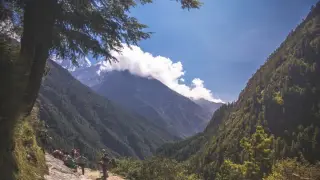
Recent avalanches and glacial flooding in the Himalayas have killed many people and damaged popular trekking areas. Tour operators are responding by handling cancellations and changing itineraries as climate-related dangers grow. The retreat of glaciers is making the region more unstable ahead of peak trekking season.
A late-September avalanche in Manang killed no fewer than 15 people as crews prepared ropes for a Himlung Himal trek. It occurred roughly a month after a glacial rock-and-ice collapse sent a destructive surge of water, mud, rock, and ice through areas below Langtang national park, close to Tibet. The U.S. Geological Survey recorded a 5.2 tremor.
By October 5, authorities had stopped searching; 1,455 deaths were confirmed and 5,285 people remained missing. With the busiest trekking period approaching, operators are canceling trips and revising routes. A post-flood report said glaciers are losing mass 65% faster than ten years earlier.
The disruption could weigh most heavily on Himalayan communities whose incomes depend on guiding, lodging, transport, and supplies. Operators may pass higher uncertainty to travelers through changed routes, cancellations, or higher costs, while porters and local businesses face lost work. If hazards keep intensifying, the region’s reputation as a reliable trekking destination may weaken, affecting livelihoods and travel choices well beyond the current disasters.