Russia's Unconfirmed Pneumonic Plague Case Highlights Biosafety and Response Needs
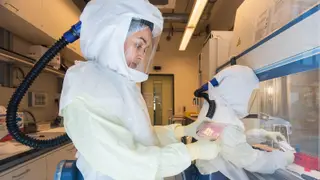
A Russian laboratory worker died after developing severe pneumonia, prompting speculation about pneumonic plague, though the infection has not been confirmed. Russian authorities described the illness as pneumonia of unknown cause and said testing found no pathogens tied to her lab work, while independent verification is lacking. The WHO later reported that monitoring of contacts was completed and no dangerous infectious disease pathogens were found among them.
The patient was a 28-year-old staff member at the Irkutsk Anti-Plague Research Institute. She reportedly died on October 2 after severe pneumonia worsened. Claims that she broke a vial containing Yersinia pestis remain unverified. Rospotrebnadzor called the illness pneumonia of unknown cause and said tests found no organisms connected to her workplace.
Nearly 200 contacts were placed under observation. Among them, officials found two COVID-19 and two rhinovirus infections, but no confirmed secondary plague cases. WHO later said contact monitoring ended and no dangerous pathogens were detected. A reported second employee pneumonia case remained unverified; Rospotrebnadzor also rejected reports of another person becoming ill after contact.
The case may heighten concern among laboratory personnel, their families, and nearby communities, especially when early accounts conflict. It could prompt institutions to review biosafety training, reporting, and communication practices. Public health agencies may face pressure to explain uncertainty without fueling alarm. If plague is ruled out, the episode could still affect trust in official statements and preparedness for rare infectious threats. If confirmed, it may intensify scrutiny of high-containment laboratory oversight.