When a First Name Turns into a Stigma: The Case of Karen
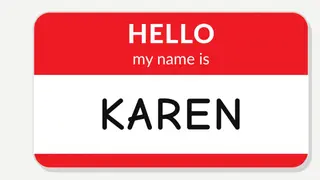
New research in Self and Identity explores how the name Karen shifted from an ordinary name to a widely recognized insult. Women named Karen report being judged negatively, receiving insults, and hesitating to reveal their first name. The article traces the meme's spread around 2020 and its unintended stigmatizing consequences.
The study, published in Self and Identity, examined how an ordinary English name became a recognized insult and stereotype. Around 2020, the "Karen" meme spread widely, even though a prominent viral incident involved a woman named Amy. Other viral labels, such as "BBQ Becky" and "Permit Patty," referred to different women, yet "Karen" became the dominant shorthand.
In one part of the research, U.S. college students rated a stereotypical "Karen" and a person actually named Karen more negatively than "Kathy" counterparts, though the name-only effect was smaller. A second survey of 195 women named Karen found many reported insults and distress tied to their name, though the sample was not representative.
The findings suggest that women named Karen could encounter social penalties, from casual jokes to exclusion, and may feel pressure to hide or change how they introduce themselves. This may also normalize judging people by name, potentially extending stigma to others whose names become cultural shorthand. The impact could be felt in workplaces, dating, service interactions, and online spaces, though the study's nonrepresentative sample means broader effects remain uncertain.