West Virginia Food Pantries Strain Under Federal Cuts and Rising Demand
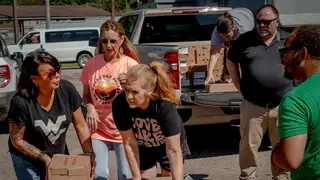
Food pantry operators in rural West Virginia say demand has surged while federal food supplies have declined after cuts by the Trump administration. They point to tighter food stamp rules and higher gas prices linked to the Iran war as additional pressures on families and food banks. The article profiles Bill Likens, who runs a pantry in Dunlow and tries to stretch limited donations among a long line of cars.
Bill Likens, 51, leads community outreach at Cabwaylingo Presbyterian Chapel in Dunlow. He grew up hungry there and now helps hand out food from trucks to long lines of vehicles. Some recipients drive over 30 miles on flood-prone mountain roads, wait hours, and shut off engines to save fuel.
A survey covering 48 major food banks in 35 states plus Washington, D.C., found most saw more visitors in the past year. More than 80% reported less food and money from the U.S. Department of Agriculture, along with higher fuel costs for moving supplies. Maine's Good Shepherd Food Bank saw its USDA food drop from 13 million to 9 million pounds; Michigan's Forgotten Harvest reduced portions.
These pressures may deepen food insecurity in rural Appalachia and beyond, affecting children, older adults, working families, and pantry volunteers. If federal supplies and funding remain lower while demand and fuel costs stay high, food banks could reduce portions, forcing households to make harder choices about meals, transportation, and medical expenses. The strain may also test community charities' capacity, shifting more responsibility onto local churches and volunteers.