A New Push to Reduce Pain During IUD Insertion
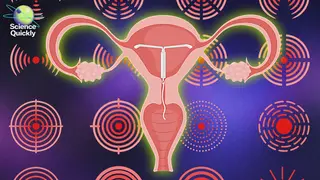
Intrauterine devices are highly effective birth control, but insertion can cause significant pain. The CDC advises doctors to discuss pain relief options, yet evidence on the best approach remains limited. A new study from Sweden's Karolinska Institute examines a method aimed at reducing discomfort during IUD placement.
IUDs sit inside the uterus and are inserted through the cervix, making them highly effective for years and removable later. Copper versions can also work as emergency contraception when placed within five days. Hormonal versions may lessen bleeding and menstrual cramps. Despite these advantages, insertion can hurt, and patients may avoid the method for that reason.
The CDC suggests clinicians discuss pain relief before insertion, but evidence is limited. Possible approaches include numbing creams or cervical injections, conscious sedation, or general anesthesia, with no clear consensus. The Karolinska Institute study, led by Helena Kopp Kallner, tests a method intended to ease discomfort. Her interest reportedly grew from fitting IUDs in young patients with menstrual pain and other needs.
If the Swedish method proves effective, it may influence how clinicians counsel patients and perform insertions, potentially making IUDs more acceptable to people who currently fear the procedure. Patients who anticipate significant discomfort could benefit most, along with providers seeking clearer pain-management guidance. Wider adoption may depend on further evidence, training, and resource availability.