Alleged Trump Push to Alter Poland’s Coalition Causes Uproar
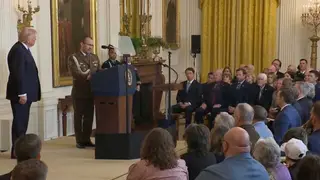
A report claims Donald Trump encouraged Polish Deputy Prime Minister Wladyslaw Kosiniak-Kamysz to leave Prime Minister Donald Tusk’s coalition and ally with the right-wing opposition. The allegation, based on unnamed sources, has triggered a political dispute and questions about possible foreign involvement in Poland’s domestic affairs. The digest also covers Hungary’s new wealth tax, criticism of the Czech president for taking a holiday during elections, and a Soviet statue moved from Prague to Slovakia.
The controversy stems from a March meeting reportedly arranged with help from PiS figure Adam Bielan and presidential adviser Nikodem Rachon. Journalist Dominika Wielowieyska aired the claim on TOK FM on October 2, relying on unnamed sources. Tusk said Kosiniak-Kamysz told him about the conversation, which he described as too interesting for public discussion and focused on Poland’s internal politics, not military bases. Kosiniak-Kamysz denies any plan to quit the coalition.
Other regional developments include Hungary introducing a wealth tax, criticism of the Czech president for vacationing during elections, and a Soviet-era statue removed in Prague and unveiled in Slovakia.
The controversy could heighten public unease in Poland about external involvement in domestic politics, potentially affecting trust in the coalition and in US security ties. Voters aligned with both Tusk and Kosiniak-Kamysz may question how firmly the government can withstand outside pressure. If the claim remains unverified, it may still deepen partisan divides and complicate debates over military cooperation. The wider regional items—Hungary’s tax, the Czech president’s holiday, and the relocated Soviet statue—may also feed existing public arguments about memory, leadership, and economic fairness.