State Deepfake Laws Face Limits Ahead of Midterm Elections
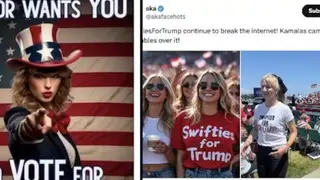
At least 31 states have enacted laws addressing election-related deepfakes, with most requiring labels or disclosures when AI is used in campaign material. Maryland, Minnesota and Texas go further by banning certain deceptive deepfakes even if they include an AI warning, while Louisiana allows warned ads to remain. The article uses Louisiana and Maryland to show that such statutes offer limited assurance that voters can identify fabricated political content.
Most state election-deepfake statutes rely on disclosure rather than removal. Of 31 states with such laws, 28 require labels or notices; Maryland, Minnesota, and Texas go further by barring some deceptive uses even when an AI warning appears. Louisiana permits certain warned ads to stay in circulation.
Louisiana’s June 2026 ad rule covers print, online, and broadcast messages urging votes for or against candidates, but not federal races. Violations can bring fines up to $2,000, imprisonment up to two years, or both, with local prosecutors generally deciding cases under attorney general oversight. A May 2026 law also mandates AI voice disclosures at the start of certain campaign calls.
These laws may give voters some notice when synthetic campaign content appears, but they cannot ensure people recognize fabricated claims as false. Candidates, especially those in state and local races, could gain recourse against deceptive ads, while federal candidates may remain outside some protections. Voters may still encounter warned but misleading material, so the measures’ practical effect could depend on enforcement, public awareness, and how quickly prosecutors act.