Legal Limits on Military Deployments During U.S. Elections
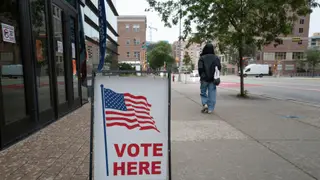
This second article in a series examines how domestic military deployments could affect U.S. elections and what legal limits apply. It describes possible orders at different stages of the election process and warns that some may be technically lawful but still disruptive to democratic procedures. The authors emphasize that under 18 U.S.C. § 592 and the Posse Comitatus Act, stationing troops at polling places is generally prohibited unless necessary to repel armed enemies.
This article is the middle installment of a series of three on military involvement in U.S. elections. It maps possible deployment orders across the election timeline and distinguishes clearly unlawful commands from those that might be technically lawful yet still disruptive.
The authors highlight statutory and constitutional constraints. Federal law generally forbids placing armed troops at polling places absent armed enemies, and another provision bars military interference with election officials. They also note limits from Youngstown, the Tenth Amendment, and the Posse Comitatus Act, while warning that an Insurrection Act invocation would not erase the polling-place prohibition.
If troops are deployed near elections, voters, poll workers, and state election officials could face intimidation, delays, or confusion, even when orders are not clearly illegal. Courts and military personnel may also confront difficult choices about compliance. The article's legal framework may inform public debate and official guidance, potentially shaping how agencies prepare for disputed election scenarios. It may reassure some by clarifying limits, while others may see unresolved gaps.