Large asteroids in the belt spin faster than expected
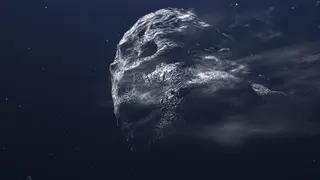
Astronomers used early data from the Vera C. Rubin Observatory to measure rotation in 260 asteroids out of more than 9,000. Sixty-six rotated in under 2.2 hours, and two objects wider than 2 kilometres completed a spin every 5 minutes. The findings suggest these large rocks may be monolithic and stronger than rubble piles, challenging current models of asteroid collisions.
Using early observations from Chile's Vera C. Rubin Observatory, which started a decade-long sky survey in June 2026, researchers examined more than 9,000 asteroids and determined rotation periods for 260 by tracking brightness shifts linked to irregular shapes. Sixty-six completed a turn in under 2.2 hours, a speed previously thought incompatible with larger asteroids staying intact.
Two objects wider than 2 kilometres were stranger still, rotating once every five minutes. Their survival hints they are solid monoliths rather than loose rubble piles, perhaps at least 30 times stronger than clay. That could mean they are primordial remnants and that existing collision models need revision. Sun-driven YORP spin-up remains possible but uncertain at their distance.
The findings may influence how scientists assess asteroid hazards and design missions, because stronger monolithic bodies could behave differently during impacts or mining attempts. This could affect researchers, space agencies, and companies planning asteroid resources, though practical consequences remain distant and uncertain. Public interest in solar system origins may grow as observatories produce more data.