How much should we worry about each new covid variant?
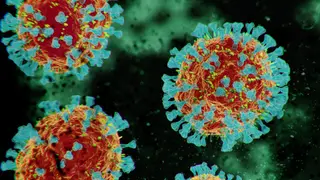
Covid-19 continues to evolve, with the XFG group dominating global cases after emerging from Omicron lineages. Lab tests indicate XFG evades antibodies better than earlier variants, but prior infection and vaccination still appear to protect most people from severe illness. Researchers say the situation calls for both calm and continued monitoring.
XFG belongs to the Omicron family. It was identified in early 2025 and became the most sequenced form worldwide, prompting WHO tracking from June. It arose when two JN.1-related subvariants swapped genetic material, possibly during a coinfection.
Laboratory work shows XFG attaches to cells somewhat less effectively, yet it slips past antibody defenses more readily than older strains. Despite its spread, no sign has appeared that it causes more severe disease, hospitalizations, or deaths. UK hospital cases rose seasonally in early October but stayed below last year's level. Most people’s immune memory still appears to limit serious outcomes.
Continued covid-19 evolution could keep the virus noticeable through periodic waves, affecting health systems and people who are more vulnerable. Most individuals may remain protected from severe illness by past exposure and vaccination, but those at higher risk might need to monitor guidance and symptoms. The researchers’ mix of reassurance and vigilance may influence public expectations, encouraging routine precautions without widespread alarm.