Constitutional structure argued as key to Suncor climate case
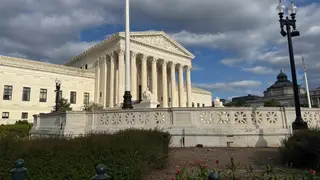
The Supreme Court heard oral argument in Suncor Energy (U.S.A.) Inc. v. County Commissioners of Boulder County on Oct. 5. The case concerns whether federal law blocks Colorado state-law claims seeking billions of dollars for climate-change-related costs allegedly caused by greenhouse-gas emissions. The article argues that the Constitution’s structure and precedent support preemption, citing foreign-affairs and interstate-emissions cases.
The court heard argument on the first Monday of October in a dispute over whether federal law displaces Colorado claims. Justice Samuel Alito recused himself shortly before the argument. Boulder County and Boulder seek damages from Suncor and Exxon Mobil, alleging their fossil-fuel activities contributed to global warming and local harms such as fires, drought, and floods.
Colorado’s top court allowed the case to proceed, viewing the suit as targeting fuel production and sales rather than emissions regulation. A federal appeals court in New York reached a different conclusion in a comparable climate-related damages case, dismissing it as fundamentally about worldwide greenhouse gases.
The outcome could affect whether municipalities may pursue damages from energy producers in state courts, potentially influencing climate litigation strategies nationwide. If preemption prevails, local governments may face greater hurdles; if not, companies could confront more state-law claims. Residents in communities alleging climate-related harms may see these cases as a route to recovery, while energy firms and their investors may weigh expanded legal exposure. Courts and lawmakers may also confront questions about federal versus state authority.