Reexamining the Supreme Court’s final say on constitutional questions
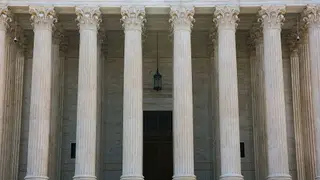
This commentary questions the Supreme Court’s asserted authority to have the final say on the constitutionality of legislation, noting that the Constitution does not expressly grant that power. It surveys historical rulings that struck down civil rights laws, upheld segregation, limited labor and New Deal regulations, and loosened campaign-finance and gerrymandering restrictions. The author calls for reconsidering the balance of power among the court, Congress, and the president.
The commentary notes that the Constitution never explicitly assigns the Supreme Court the last word on whether statutes are constitutional. It traces asserted harms across history: 1883 decisions narrowing civil rights laws, 1896 approval of segregated facilities, later cutbacks to affirmative action and voting protections, and decades of invalidating child-labor, wage, and hour rules.
It also points to New Deal-era rulings against wage and price controls, recent decisions limiting campaign-finance regulation, and acceptance of partisan redistricting. Legal experts generally defend judicial finality by citing Framers’ intent, pre-1787 practice, and an implied clause, though the author distinguishes reviewing a law from having final authority.
This debate could shape how lawmakers, litigants, and voters treat Supreme Court rulings. If more people question judicial finality, Congress and presidents may face pressure to assert their own constitutional interpretations, potentially affecting policies on civil rights, labor, campaign finance, and redistricting. That could create uncertainty and institutional conflict, with consequences for minority voters, workers, political donors, states, and others relying on settled rules.