Bacterial Immune Alarm Triggered by Viral Enzyme, Study Shows
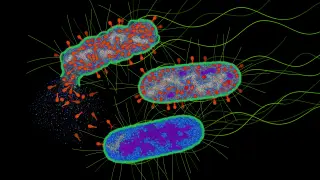
A new study describes how bacteria detect viral infection when a phage enzyme cuts a bacterial sensor protein, triggering the CBASS immune system. CBASS can cause an infected bacterium to self-destruct before the virus spreads, a defense that must distinguish real threats precisely. The findings, published in Science, may help improve phage therapies for antibiotic-resistant infections and shed light on ancient immunity.
Researchers at University of Utah Health identified a phage protease that cleaves a bacterial host sensor, switching on CBASS. Unlike related defenses that sense viral nucleic acids, this pathway responds to a viral protein’s enzymatic action on a host protein. The work appears in Science, with Sam Hobbs as first author.
CBASS is common among bacteria and serves as an extreme self-destruct response: an infected cell dies to keep the virus from reaching nearby cells. Its link to a human immune pathway suggests these defenses trace back to an ancestor shared by bacteria and people. Understanding them may inform phage treatments for antibiotic-resistant infections.
If these findings translate, patients with antibiotic-resistant infections could eventually benefit from phages engineered or selected to bypass CBASS. Researchers and clinicians may gain a clearer framework for predicting bacterial defenses, potentially making phage therapy more reliable. The work may also deepen public understanding of ancient immunity, though clinical applications remain uncertain and likely years away.