Warmer Recent Weather May Lower Viral Gastroenteritis Odds in Children
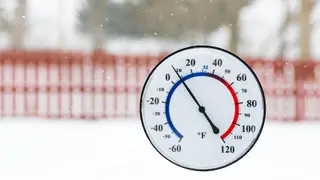
A secondary analysis of a prospective trial found that children and adolescents arriving at emergency departments with acute gastroenteritis were less likely to have a viral cause when recent outdoor temperatures were higher. A one-standard-deviation increase in average daily temperature over the prior 14 days was associated with about half the odds of viral gastroenteritis, and the link was stronger in children aged 12 and older. Precipitation, humidity, and air pollution were not significantly associated with viral risk, and the researchers suggested weather data could help guide testing and antibiotic use.
The secondary analysis used records from 868 young patients in the IMPACT trial who provided stool specimens after being seen in an emergency department for acute gastroenteritis. About 39% had only viruses detected, roughly 27% had nonviral or mixed infections, and about 34% had no germ identified. Viral cases were concentrated among those younger than 2.
Age appeared to modify the temperature relationship. When the two-week average outdoor temperature rose by one standard deviation, viral odds fell overall, with the steepest drop among patients 12 and older relative to toddlers and infants. Rain, humidity, and air pollution did not show meaningful associations.
If recent warmth helps predict lower viral gastroenteritis risk, clinicians might use weather patterns to decide which children need stool testing and which may avoid unnecessary antibiotics. Families and emergency departments could benefit from faster, more targeted care, though the findings are from a secondary analysis and would need validation before changing practice. Public health surveillance may also refine seasonal outbreak forecasts, potentially easing seasonal surges.