EU sanctions leave Moscow entity running Russia's tank plant untouched, op-ed says
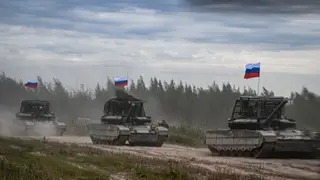
An opinion piece argues that EU sanctions have a visibility problem, using two similarly named Uralvagonzavod entities as an example. The sanctioned tank manufacturer is listed, but the Moscow-registered Concern Uralvagonzavod, described as the plant's sole executive body, is not named on EU sanctions lists. EU rules extend restrictions to entities owned or controlled by listed persons, and a 2026 Court of Justice ruling confirmed a presumption of ownership or control for stakes of 50% or more.
The EU has sanctioned the Nizhny Tagil tank producer since 2022, citing its T-72B3 supplies and naming Rostec as owner. A separate Moscow-based entity, Concern Uralvagonzavod, has been recorded since 2020 as the plant’s only executive body. Its CEO is listed, and its address appears in EU export-control paperwork, yet the Concern itself is absent from EU sanctions lists.
EU restrictions can extend to entities owned or controlled by listed parties. A March 2026 Court of Justice ruling recognized a rebuttable presumption for stakes of at least 50%. Rostec sits on a separate transaction-ban list covering majority-owned subsidiaries, but Uralvagonzavod’s 2020 report withholds shareholder data under a 2019 Russian measure.
European suppliers, banks and logistics firms may face uncertainty when assessing whether dealings with the Concern or other Rostec-linked entities are permitted. If rules remain hard to verify, compliance costs could rise, enforcement may become uneven, and the sanctions’ deterrent effect could weaken. Ukrainian civilians and frontline communities may continue to bear the war’s consequences, while EU policymakers face pressure to clarify listings and ownership tests.