Why SQL Databases Remain Central to Backend Development
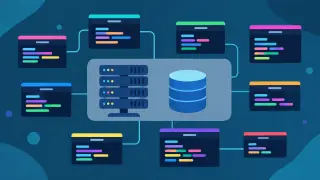
SQL databases store data in linked tables of rows and columns, and queries and joins retrieve and combine information. Transactions and ACID properties support reliable operations. SQL remains relevant in cloud apps, microservices, APIs, reporting, and analytics despite changes in frontend and deployment methods.
Relational systems arrange records into tables, with rows as individual entries and columns as attributes. Keys and relationships connect tables, so an order can reference a customer without duplicating all customer details. Common implementations include PostgreSQL, MySQL, SQL Server, Oracle Database, and SQLite.
Schemas, data types, and constraints define what values belong in each field and help keep data consistent as applications grow. Queries and joins let users pull and merge records from several tables, while transactions and ACID properties support dependable operations across backend services, cloud applications, reporting, and analytics.
The continued reliance on SQL databases may affect developers, businesses, and users by shaping how securely and reliably digital services store personal, financial, and operational data. Cloud teams and analysts could benefit from familiar querying and reporting tools, while organizations may face pressure to maintain structured data governance. Ordinary users might experience fewer errors or inconsistencies in apps, though poor schema design or operational failures could still create risks.