How Parents Can Reduce Halloween Candy Risks Before Kids Eat
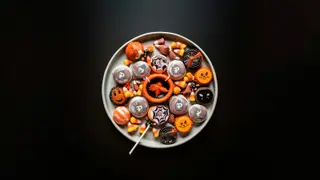
The article advises parents to inspect trick-or-treat candy before children eat it, with particular attention to choking hazards for toddlers and preschoolers. It notes that hard, sticky, small, or round candies are common risks and should be withheld from kids under five. Parents are also encouraged to check wrappers for signs of tampering and to replace unsafe pieces with safer treats or small toys.
A 2026 parent checklist notes that choking is the leading overlooked danger in Halloween buckets. Citing CommonSpirit Health, it says candy is linked to about 28% of choking-related hospital visits for children ages one to four. Hard, sticky, small, round, or large items—including lollipops, nuts, popcorn, gum, and big gummies—are frequent problems.
For younger children, safer substitutes can include soft chocolate squares, stickers, small toys, or bite-size fruit. Parents are also urged to inspect wrappers for opened, resealed, mismatched, torn, pinhole, or loose packaging, and to set aside unfamiliar or generic-looking candies because marijuana edibles may imitate popular brands.
This checklist could influence how parents, caregivers, and communities approach Halloween treats. Families with toddlers or preschoolers may face fewer choking emergencies if risky candies are removed before eating. Older children and households managing allergies might also benefit from closer sorting and non-food swaps. The advice may raise awareness of tampered wrappers and cannabis-lookalike edibles, potentially reducing accidental exposures. It could also nudge schools, neighbors, and event organizers toward offering stickers, toys, or safer treats, though the actual effect depends on how consistently caregivers apply the guidance.