SpaceX retries Falcon 9 launch for SDA data satellite constellation
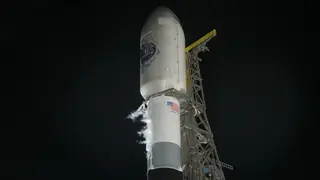
SpaceX plans to launch a Falcon 9 from Vandenberg Space Force Base early Saturday carrying 21 satellites for the U.S. Space Development Agency. The mission, T1TL-A, is the fourth production-satellite launch for the agency's Proliferated Warfighter Space Architecture, which is intended to provide military communications and missile tracking. The attempt follows an automatic abort on Oct. 5 with 58 seconds left in the countdown, and booster B1103 is slated to return to Landing Zone 4.
The upcoming T1TL-A flight would be the fourth time the Space Development Agency sends production satellites to orbit. Its 21 spacecraft, built by Northrop Grumman, arrived at Vandenberg on Sept. 28. The booster assigned, B1103, has flown five previous missions and is set to land at Landing Zone 4.
Tranche 1 forms the first part of the Proliferated Warfighter Space Architecture, intended to support military communications and tracking of missiles. The agency expects initial operational capabilities in 2027; the completed Tranche 1 plan calls for 126 transport satellites, 28 tracking satellites, and four missile-defense demonstration craft. Three prior launches placed 63 satellites in orbit.
The expanded constellation could improve military communications and missile tracking for U.S. forces and allies, potentially affecting how quickly decision-makers receive threat data. It may also influence space industry demand, as recurring launches and satellite production sustain contractors and launch providers. Broader societal effects remain indirect, tied to defense readiness and the growing role of satellite networks in national security.