German Food Chemists Warn Against Patchwork Food Inspection Standards
The Federal Association of Food Chemists and Food Chemists warns that removing uniform risk-assessment rules could create inspection gaps for restaurants and snack bars. Its president, Birgit Bienzle, says comparable food businesses should be checked at similar frequencies across all German states. The association is meeting in Potsdam and argues that consumer health protection should not be weakened because of local budget problems.
The association is meeting in Potsdam through Sunday under a theme about a leaner state and food-safety challenges. Brandenburg currently chairs the consumer protection ministers’ conference.
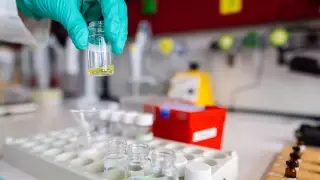
Food chemists mainly examine product samples in laboratories, and their work also covers cosmetics, tableware, clothing, toys and tobacco. German inspections are largely organized by states and municipalities; shared risk criteria are intended to prevent similar businesses from being checked at different rates depending on location. A project at Osnabrück University is examining how power cuts, staff shortages or IT failures could affect supply and traceability.
If inspection standards become more fragmented, consumers in some regions could encounter less consistent hygiene oversight, while restaurant and snack-bar owners might face uneven expectations depending on where they operate. Local authorities with tight budgets may find it harder to maintain comparable check frequencies, potentially widening regional differences. The debate may also shape public trust in food safety, especially if resource pressures lead to fewer inspections or less sampling in some areas.