Mapping the Networks of Egypt’s Early Christian Monastic Communities
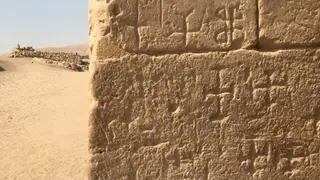
A research initiative called the Coptic Project is charting desert paths, river routes, churches, and settlements across Egypt from the third to seventh centuries. The maps aim to show how early Christian monks remained linked to broader travel and trade networks. The project examines how religious communities interacted with wider society.
The Coptic Project is a research initiative examining Egypt from the third to seventh centuries. It maps desert paths, river routes, churches, and settlements connected to early Christian monastic communities.
By charting these features, the project aims to show how monks remained linked to broader travel and trade networks. It also studies how religious communities interacted with wider society.
The project’s maps may deepen public understanding of early Christian monastic life and its connections to travel and trade. Historians, archaeologists, educators, and religious communities could use them to contextualize Egypt’s early Christian past. By highlighting interaction with wider society, the work may encourage more nuanced views of religious communities, though its impact depends on how accessible and widely the maps are shared.