Why Russia's response to a plague lab worker's death remains unexplained
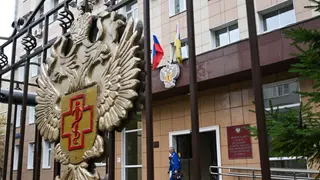
A 28-year-old lab worker at a Russian anti-plague institute died of pneumonia in early October, prompting quarantine for nearly 200 people. Authorities later ended precautions after tests found no dangerous pathogens. It is still unclear what caused the pneumonia and why officials reacted more aggressively than usual for plague cases.
Daria Shipilova, 28, worked at the Irkutsk Anti-Plague Research Institute of Siberia. She was hospitalized and died of pneumonia on 2 October. An abstract listing "DN Shipilova" suggests she handled Yersinia pestis and studied antibiotic resistance in plague strains. Nearly 200 contacts were quarantined; about 60 institute staff were reportedly confined for days, with security officers escorting ambulances. Rospotrebnadzor ended precautions on 7 October after tests found no dangerous pathogens, releasing most people.
That's 75? Let's count. Daria(1) Shipilova(2), 28(3), worked(4) at(5) the(6) Irkutsk(7) Anti-Plague(8) Research(9) Institute(10) of(11) Siberia(12). She(13) was(14) hospitalized(15) and(16) died(17) of(18) pneumonia(19) on(20) 2(21) October(22). An(23) abstract(24) listing(25) "DN(26) Shipilova"(27) suggests(28) she(29) handled(30) Yersinia(31) pestis(32) and(33) studied(34) antibiotic(35) resistance(36) in(37) plague(38) strains(39). Nearly(40) 200(41) contacts(42) were(43) quarantined(44); about(45) 60(46) institute(47) staff(48) were(49) reportedly(50) confined(51) for(52) days(53), with(54) security(55) officers(56) escorting(57) ambulances(58). Rospotrebnadzor(59) ended(60) precautions(61) on(62) 7(63) October(64) after(65) tests(66) found(67) no(68) dangerous(69) pathogens(70), releasing(71) most(72) people(73). Good.
Second paragraph: In typical plague cases, basic hygiene and prompt antibiotics can prevent spread and illness. In 2025, an Arizona man die
... Need no extra. Ensure no source phrasing copied. We paraphrased. Some phrases like "Yersinia pestis", "Rospotrebnadzor", "pneumonic plague", "WHO" okay. "engineered pan-resistance" from source? It's a term. Could be okay? They said "engineered pan-resistance". We can say "engineered drug resistance" maybe. But drawn from material. "pan-resistance" is source phrase. We can avoid exact? "engineered resistance to antibiotics" maybe. But source says pan-resistance. Original wording? We can say "engineered broad antibiotic resistance". That's original. "non-plague cause" okay. "prophylactic antibiotics" source phrase. Could say "preventive antibiotics". Better. "lockdown" source. Fine. Need maybe "DN Shipilova" in quotes. That's factual. Good. Check EXPANDED total under 120. Let's finalize. Potential issue: "An abstract naming 'DN Shipilova' suggests she studied antibiotic resistance in Yersinia pestis." Source says abstract about testing plague strains for antibiotic resistance, su