Albanian Doctors Alarmed by Patients Trusting AI Chatbot Diagnoses
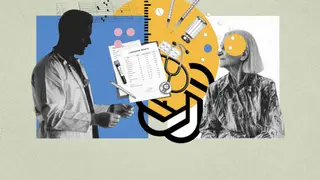
Albanian doctors are seeing more patients who arrive with diagnoses produced by AI chatbots, including ChatGPT. A psychologist recounted treating a medical student who believed she had OCD based on a chatbot's conclusion, despite the clinician's own assessment. Physicians worry that overreliance on such tools could weaken their authority and expose patients to harm from inaccurate AI advice.
A psychologist in Albania spent three demanding sessions and used specialized assessments before determining that a young patient did not have OCD. The patient, a third-year medical student in Germany, had long believed she had the condition and eventually revealed that ChatGPT had given her the diagnosis.
The episode reflects broader concern among Albanian physicians as more patients bring chatbot-generated conclusions to consultations. Doctors say reliance on tools such as ChatGPT may challenge their professional authority and potentially expose people to harm if the AI advice is wrong.
This trend could affect patients, doctors, and Albania’s health system. Patients may delay proper evaluation if they trust chatbot diagnoses, while clinicians could face strained consultations and diminished authority. If inaccurate AI guidance spreads, it may cause unnecessary worry, misguided treatment, or missed conditions. Those who rely on chatbots without professional guidance may be most vulnerable, though AI tools could also encourage some patients to seek care when used cautiously.