NAD-Boosting Supplement Shows No Benefit in Early Parkinson's Trial
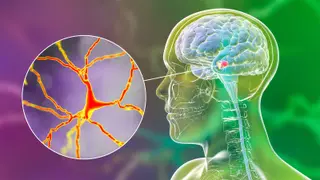
In the NOPARK randomized trial, oral nicotinamide riboside—a vitamin B3 derivative that raises NAD+—did not improve outcomes in early Parkinson's disease. After 52 weeks, the supplement group's MDS-UPDRS total score worsened by 2.45 points on average, while placebo scores tended to improve, yielding an adjusted difference of 2.72 points. Nonmotor symptoms also worsened more with the supplement, and the authors concluded the findings do not support its use to slow Parkinson's.
NOPARK was a phase III randomized study of 410 people with early Parkinson's disease across 11 Norwegian sites. Eligible participants had been diagnosed within two years, had Hoehn and Yahr stage below 3, dopamine transporter SPECT confirmation, and stable dopaminergic therapy; dementia and atypical parkinsonism were excluded.
Participants took 500 mg oral nicotinamide riboside twice daily or placebo for 52 weeks. Adherence was very high, and blood NAD measures rose substantially. Yet MDS-UPDRS total scores worsened by 2.45 points with the supplement versus a slight placebo improvement, and nonmotor burden rose more. Imaging showed no dopamine-system effect.
This result could temper consumer enthusiasm for over-the-counter NAD-boosting supplements marketed for longevity and Parkinson's. People with early Parkinson's and their clinicians may reconsider spending on such products, while researchers could shift toward better-targeted approaches. Supplement makers may face greater scrutiny, though the trial does not establish harm for general users. Patients may wish to discuss supplements with their care team rather than changing treatment on their own.