Dermatomyositis Treatments Enter a More Active Era
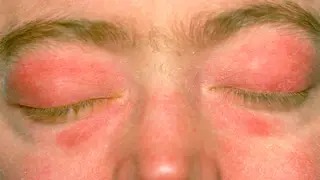
Dermatomyositis therapy is finally expanding after a long period with few new options, according to a presentation at the European Academy of Dermatology and Venereology meeting. First-line skin-directed care still relies on high-SPF sunscreen and topical steroids, with topical JAK inhibitors used off-label but sometimes hard to obtain. For more severe disease, clinicians may use antimalarials, immunosuppressants, or IVIG, with IVIG sometimes preferred in paraneoplastic cases to limit immunosuppression.
At a European dermatology meeting in Vienna, Victoria Werth described dermatomyositis care as entering an encouraging phase after years without much therapeutic progress. Existing skin-focused treatment begins with very high-SPF sunscreen and topical corticosteroids; topical JAK inhibitors are sometimes used off-label, though access can be difficult.
For more severe or persistent disease, clinicians may try antimalarials, immunosuppressants, or IVIG. Werth said IVIG is often favored in paraneoplastic cases to reduce immunosuppression. She also noted that responses to immunosuppressants can build gradually, so patience may be warranted. Brepocitinib, an oral TYK2/JAK1 inhibitor, recently received FDA approval for skin lesions.
People with dermatomyositis, especially those whose skin symptoms persist or who also have cancer, may benefit from a broader set of options. Easier access to topical JAK inhibitors and newer oral therapies could reduce reliance on steroids or broad immunosuppression, potentially lowering long-term risks. However, cost, insurance coverage, and limited data in paraneoplastic patients may shape who actually receives these advances. The impact could be meaningful for quality of life, though not all patients may see equal benefit.