How Gastroesophageal Adenocarcinoma Care Is Shifting
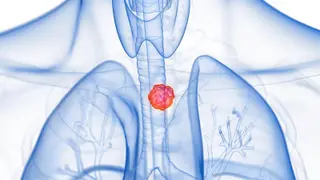
As gastroesophageal cancer has shifted toward adenocarcinoma, treatment strategies have diverged by histology. Surgery remains central when possible, but resectable adenocarcinoma is increasingly managed with perioperative chemotherapy plus immunotherapy, whereas squamous cell carcinoma often receives chemoradiation followed by surgery and adjuvant nivolumab. Precision-medicine approaches are still developing, and clear guidance remains limited.
Gastroesophageal cancer now appears more often as adenocarcinoma than squamous cell disease, leading to distinct treatment routes. When adenocarcinoma is operable, doctors increasingly favor chemotherapy and immunotherapy before and after surgery; MATTERHORN supports this in gastroesophageal junction tumors, and similar biology leads many to apply it to esophageal adenocarcinoma. Radiation is usually not used for this subtype.
For operable squamous tumors, chemoradiation before surgery remains standard, with some higher-risk or residual cases receiving nivolumab afterward for a year. Precision medicine is growing for adenocarcinoma, which more often has actionable molecular changes such as HER2, but firm guidance is still lacking.
People with gastroesophageal adenocarcinoma may benefit as perioperative immunotherapy and biomarker-driven options become more common, potentially improving survival and shaping treatment decisions. Those with squamous disease may continue to rely on chemoradiation and adjuvant immunotherapy, so access and tolerability could differ by histology. Because precision guidance remains limited, patients and clinicians may face uncertainty about optimal sequencing, while health systems could need more biomarker testing and specialized care. These changes may affect families, caregivers, and oncology teams through complex regimens and follow-up needs.