Coercive Diplomacy and Changing Alignments in the Americas
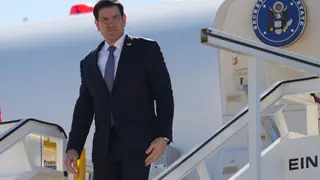
The piece assesses how coercive diplomacy and evolving regional alignments are reshaping the Americas. It weighs the consequences for politics and U.S. interests in the hemisphere.
This story examines coercive diplomacy and shifting alignments as forces reshaping the Americas. It considers how those dynamics affect regional politics and what they mean for U.S. interests in the hemisphere. Because only the headline and summary are available, the piece appears to frame these developments as interconnected: pressure-based diplomacy on one side, changing partnerships on the other. It situates them within a broader conversation about influence, cooperation, and strategic priorities across the region.
The story's themes could influence public debate and policy choices across the Americas. Citizens, officials, and institutions may reassess how pressure, partnership, and regional alignment affect their countries' political and economic relationships. U.S. interests could be debated differently as hemispheric alignments evolve, potentially shaping expectations around cooperation and diplomacy. These effects would likely vary by country and context, and any impact may depend on how governments and publics respond.