Gaza ceasefire marks one year with limited peace and ongoing hardship
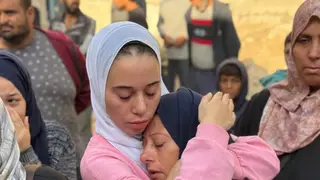
A ceasefire between Israel and Hamas took effect on Oct. 10, 2025, after President Trump pushed for an end to the war and the release of remaining hostages. A year later, no international peacekeeping force or reconstruction has materialized, and Israel controls about 70% of Gaza. Israeli strikes have continued during the truce, killing more than 1,400 Palestinians, though violence has decreased and more food has entered the territory.
The truce began on Oct. 10, 2025, following U.S. pressure for Israel to halt the war and for Hamas to free remaining captives. Twelve months on, promised international monitors and rebuilding efforts remain absent. Israeli forces now hold about seven-tenths of Gaza, pushing over two million residents toward the coast.
During the truce, Israeli operations against Hamas have persisted, though at a lower intensity. Gaza health authorities report over 1,400 Palestinian deaths, including nearly 500 women and children. Increased aid has eased severe hunger after experts had declared famine in northern Gaza.
The prolonged ceasefire may shape how civilians in Gaza experience daily life: less intense fighting could allow aid distribution and some recovery, while continued strikes and displacement may sustain trauma and insecurity. For Israeli society, security concerns could keep the conflict politically salient. Internationally, the absence of promised peacekeepers and reconstruction may weaken confidence in ceasefire arrangements and complicate future diplomacy.