Brewery Byproduct Shows Promise for Removing Bacteria from Water
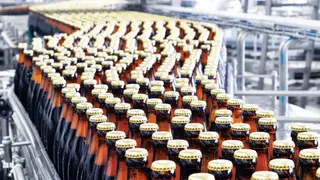
Researchers converted spent malt rootlets, a leftover from brewing, into biochar by heating them. When this porous material was combined with sand, the filter captured roughly five times more E. coli than sand alone, apparently by binding the bacteria rather than only straining them out. The team says adding such biochar to soil could help safeguard groundwater, and further tests are planned under less controlled conditions.
Malt rootlets—tiny barley sprouts left over after malting—are a common brewery residue. Heating them produces biochar, a porous substance formed when organic matter is charred. Lab trials found that a sand filter containing 10 percent biochar trapped roughly five times as many E. coli bacteria as sand alone. Sand mostly acts as a physical barrier; biochar seems to bind the microbes.
The team, based at the University of Patras in Greece, also tested olive-oil and coffee residues for comparable water-cleaning effects. Brewery by-products already serve as animal feed, and other research points to uses ranging from sunscreen to electricity. Because brewing can have as many as 11 stages, it generates organic wastes with varied chemistry, which may suit different applications.
If it works beyond controlled lab settings, people whose groundwater is contaminated by agricultural waste or fecal matter could see lower bacterial exposure. Breweries might gain another use for leftover malt rootlets and similar residues, potentially reducing waste. But the material’s practical value may hinge on reuse and real-world reliability, so broader public-health or industry effects remain uncertain.