Penguin Droppings Fuel Algae Blooms That Darken Antarctic Snow
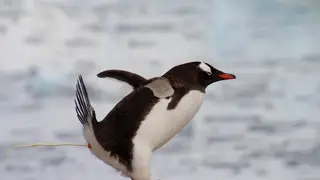
Nutrients from penguin droppings are encouraging dense snow algae growth along parts of Antarctica’s coastline. Green algae can make snow absorb about 40% more sunlight, while red algae increase absorption by roughly 20%, which may speed local snowmelt. Researchers sampled snow across the West Antarctic Peninsula and linked phosphate from penguin colonies to the green algal state.
Researchers collected red and green snow samples across five degrees of latitude on the West Antarctic Peninsula, including places near and away from penguin colonies. They used spoons made of ceramic to gather snow tinted by algae, sometimes close to guano, then counted cells and measured pigments and nutrients in the lab.
Snow where green algae dominated contained much more phosphate than snow where red algae dominated. Phosphate, abundant in penguin droppings, seems to keep the algae in their green, photosynthetic form rather than the protective red form. Other seabirds, such as skuas, also leave nutrients, connecting marine diets to coastal snow ecology.
This work may matter most to climate scientists refining Antarctic melt projections and to people concerned with polar ecosystems. If nutrient-fueled algae make snow darker, local melting could accelerate, potentially altering wildlife habitats and access for research or tourism. It may also encourage models to include wildlife-driven nutrient cycles, though the broader societal consequences remain uncertain and likely indirect.