How 1990s FPS level packs sparked a copyright-changing lawsuit
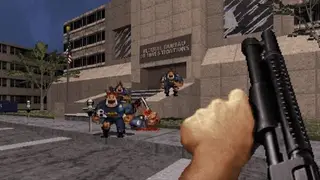
In the 1990s, first-person shooters gave rise to commercial level packs sold in boxes, occupying a space between expansions and mods. These packs included sanctioned third-party mission packs and unofficial releases, with wide variation in quality and legality. The era ultimately ended in a lawsuit that had lasting consequences for copyright.
During the 1990s, boxed level packs for early first-person shooters sat awkwardly between official expansions and fan-made mods. Some, such as Master Levels for Doom 2, were treated as official expansions, while Quake received sanctioned episodes like Scourge of Armagon and Dissolution of Eternity. Wizardworks also published unofficial Duke Nukem 3D mission packs.
Sunstorm Interactive became known for well-received Duke Nukem 3D packs, including Duke Caribbean: Life's A Beach, Duke It Out in DC, and Duke Xtreme. These projects helped train designers; Charlie Wiederhold moved from making maps to working on Duke Nukem Forever, Borderlands, and Call of Duty: Modern Warfare 2. The era ended in litigation that reshaped copyright.
The lawsuit may have affected game developers, publishers, mod creators, and players by clarifying what can be sold and shared. It could have made rights holders more cautious about third-party packs, potentially reducing unauthorized commercial releases while encouraging licensed content. For players, this may have shifted access toward official expansions and digital distribution. Legal precedents from the case could influence how courts treat user-made additions and derivative works beyond games.