Panamanian Ranchers Use Trees to Cope with Worsening Drought
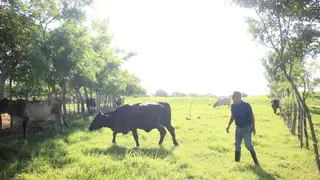
Ranchers on Panama’s Azuero Peninsula are confronting severe drought as a strengthening El Niño raises the risk that water sources will dry up. Some are turning to silvopasture, adding trees to grazing lands, which they say helps keep water available and pastures productive. Even farms using this approach expect a difficult dry season ahead.
Panama’s weather agency issued an El Niño warning in May, projecting drier conditions across Azuero and a 10–20% drop in wet-season rainfall. Ranchers there are already seeing consequences: one producer’s stream has dried, forcing him to pump groundwater, while another’s enlarged reservoir still failed to last.
Silvopasture integrates trees into grazing land; living fences divide pastures on some farms. Even adopters say tree cover has helped sustain water and forage, yet they anticipate a hard dry season. In Los Santos, one rancher moved cattle to a neighbor’s property with more reliable water and plans further reservoir expansion.
The drought could strain ranchers’ livelihoods, livestock health, and local beef production in Azuero. Households tied to cattle and farm work may face water shortages, higher costs, and uncertain incomes. Silvopasture may build some resilience, but if conditions worsen, even tree-based farms might struggle, potentially affecting nearby communities and regional food supply.