Morocco's Cultural Landscape: Artists, Writers, and Athletes Shaping 2026
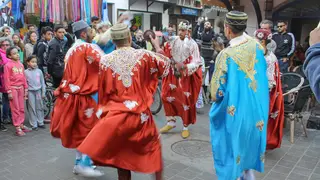
Morocco's cultural identity blends Arab-Islamic, Amazigh, and Saharan-Hassani roots with African, Andalusian, Hebraic, and Mediterranean influences. Notable figures include Gnawa musicians, Goncourt-winning authors Tahar Ben Jelloun and Leila Slimani, and filmmaker Maryam Touzani. The Atlas Lions' World Cup success and Morocco's co-hosting of the 2030 tournament highlight its sporting prominence.
Morocco's 2011 constitution recognizes Arabic and Tamazight as official languages and describes a national identity rooted in Arab-Islamic, Amazigh, and Saharan-Hassani elements, with African, Andalusian, Hebraic, and Mediterranean strands. Since May 2023, Yennayer, the Amazigh New Year, has been a paid national holiday; in 2026 it fell on 14 January.
Gnawa, inscribed by UNESCO in 2019, is a Sufi trance tradition linked to slavery and the slave trade and dating back at least to the 16th century. Its main showcase is Essaouira's Gnaoua and World Music Festival. Moroccan cultural reach also includes Goncourt winners Tahar Ben Jelloun and Leïla Slimani, filmmaker Maryam Touzani, and the Atlas Lions' football success.
Morocco's cultural and sporting visibility may strengthen a shared sense of national identity across communities tied to Arab, Amazigh, and Saharan-Hassani roots. Recognition for Gnawa, literature, and film could draw more tourism and investment to festivals, publishing, and production, affecting artists and local economies. The Atlas Lions'