Border Tribe Faces Surveillance and Wall Construction on Its Land
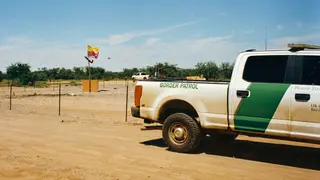
The Tohono O’odham Nation, whose homeland crosses the U.S.-Mexico border, sued to stop a 62-mile wall along its southern boundary. ProPublica reports that after DHS promised good-faith engagement, federal agents monitored a prayer ceremony and questioned tribal members outside the reservation. Officials described the tribe’s Southern Arizona land as a major smuggling and trafficking route despite a decline in border crossings.
The Tohono O’odham Nation’s homeland crosses the U.S.-Mexico border, with many members in Mexico. The tribe sued to stop a 62-mile wall on its southern edge, saying it would disrupt ceremonies, family visits, and sacred lands. DHS promised good-faith engagement in court.
After a judge denied an injunction, the chairman got an email at 4:59 a.m. on Aug. 25, one minute before soil testing began. Contractors came with Border Patrol escorts, masked tactical agents, a surveillance blimp, and Mexican security support. ProPublica reported surveillance of a prayer camp and questioning of tribal members off reservation. Officials called the area a major smuggling corridor despite fewer border crossings.
The dispute may affect Tohono O’odham members who rely on cross-border family, ceremonial, and cultural ties, as well as broader tribal-federal relations. If construction proceeds amid surveillance and armed presence, it could deepen distrust among Indigenous communities and raise questions about consultation and sovereignty. Border residents and agents may also face heightened tensions. The case could influence how future infrastructure projects balance security claims with tribal rights and environmental protections.