Water Rights, Farmland, and Crop Income Face Different Social Security Rules
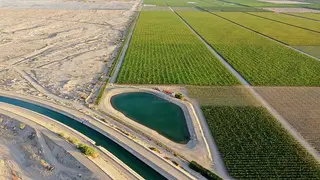
Limoneira says its Yuma farming operation holds about 11,500 acre-feet of Class 3 Colorado River water rights and may pursue a monetization event. Social Security applies different rules to crop profits, land sale gains, and water rights gains when someone claims benefits before full retirement age. Net crop profit can reduce early benefits, while large land or water-rights gains generally avoid the earnings test but can still raise taxable benefits and Medicare premiums.
Limoneira states that its Yuma farm operation can access roughly 11,500 acre-feet of Class 3 Colorado River water rights, and a monetization event may follow. The company has also identified more than $200 million in real estate development assets, non-strategic land, and certain water rights as possible monetization targets.
For early Social Security claimants, farm income is split by type. Schedule F crop profit feeds self-employment earnings and can reduce monthly benefits before full retirement age. Land gains and water-rights gains may fall outside that calculation, though they can still lift adjusted gross income, taxable benefits, and later Medicare premiums.
The rules could affect farmers, farmland owners, and other early Social Security claimants who hold land or water rights. Timing asset sales may influence current benefit checks, taxable income, and future Medicare premiums. Agricultural firms and rural landowners may also reassess how water rights are valued and transferred. The story may prompt more careful retirement and tax planning, though individual outcomes depend on age, income type, and transaction structure.